
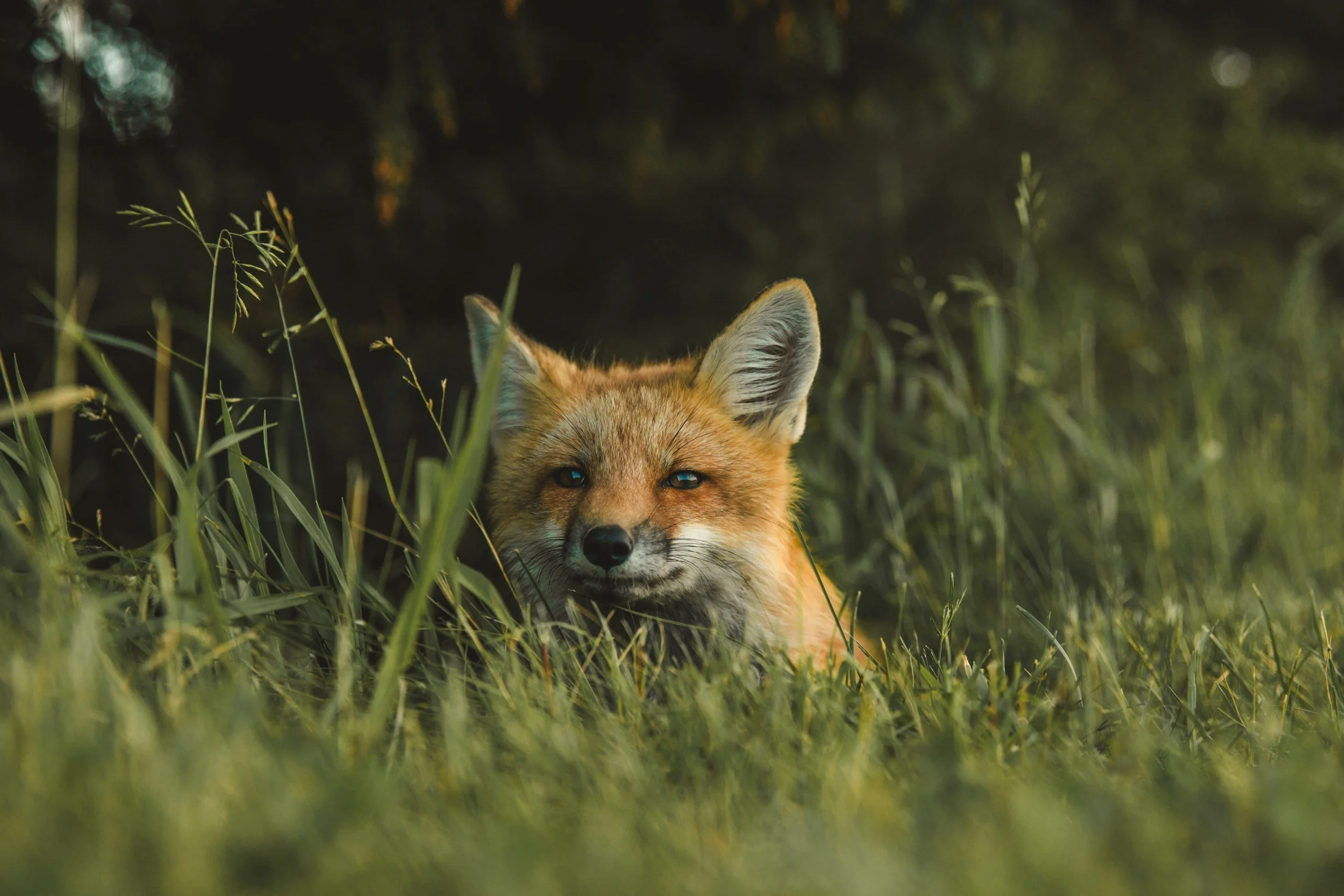
Fox & Coyote Removal in Virginia
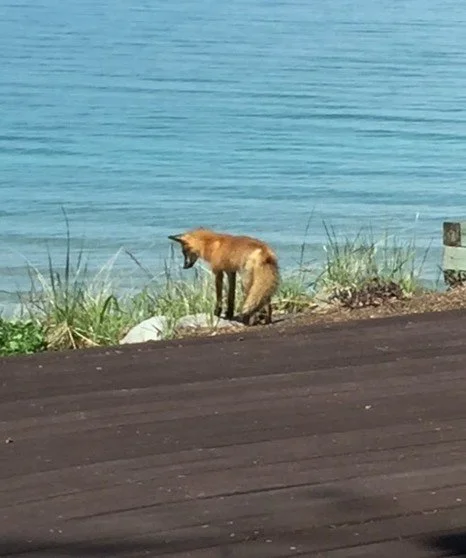
Foxes are increasingly common in Virginia’s neighborhoods, where they are drawn to food sources like garbage, outdoor pet food, and small animals. While generally shy, they pose risks when living close to homes. Foxes can prey on chickens, ducks, rabbits, and even small pets. They are known carriers of rabies and mange, both of which are dangerous to people and pets. Their digging and denning habits cause damage to lawns and gardens. During mating and denning season, foxes become more vocal, creating loud screams at night that alarm homeowners. Over time, foxes can become bold if they associate humans with easy food. Humane removal and exclusion are the best ways to keep them from settling near your home.
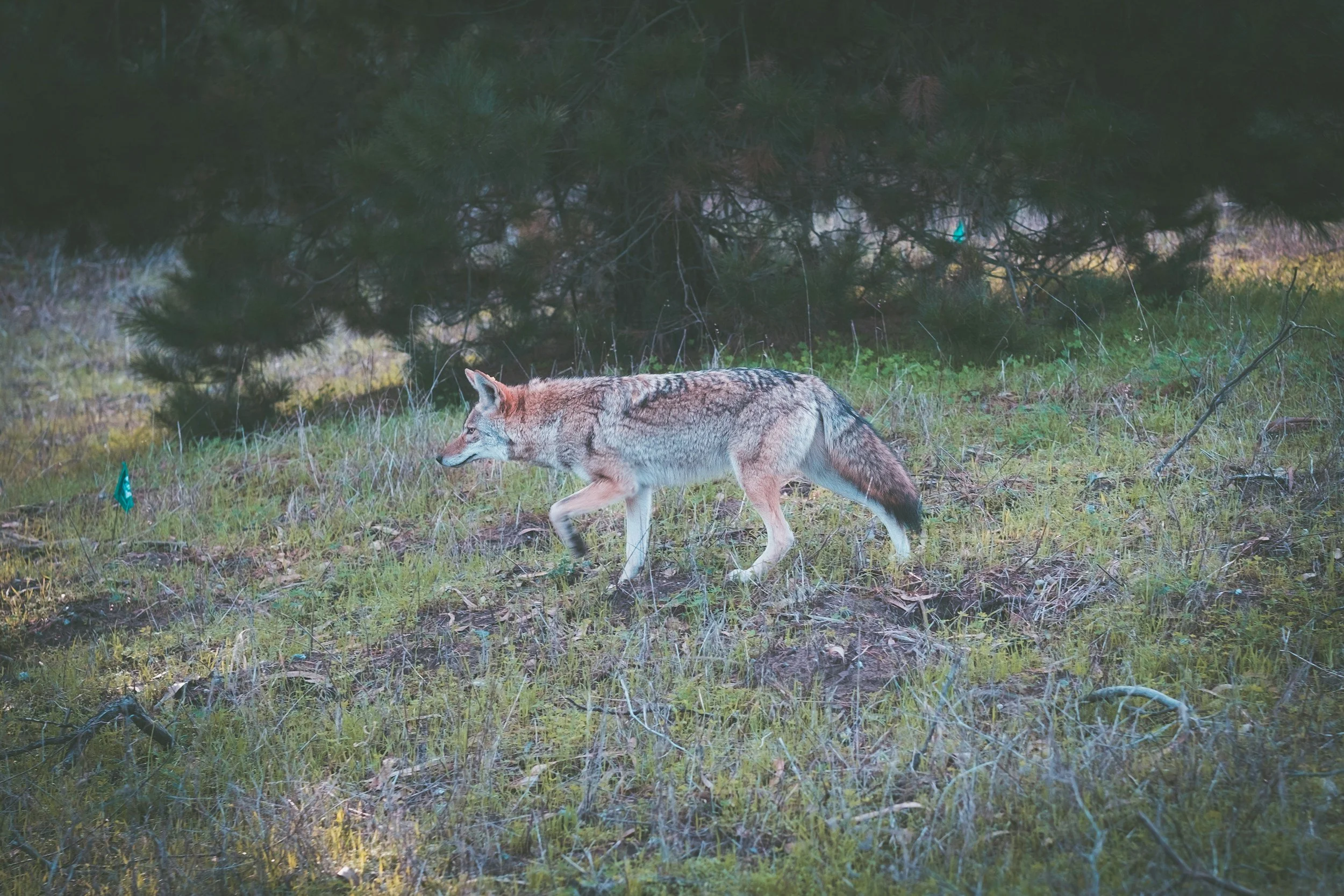
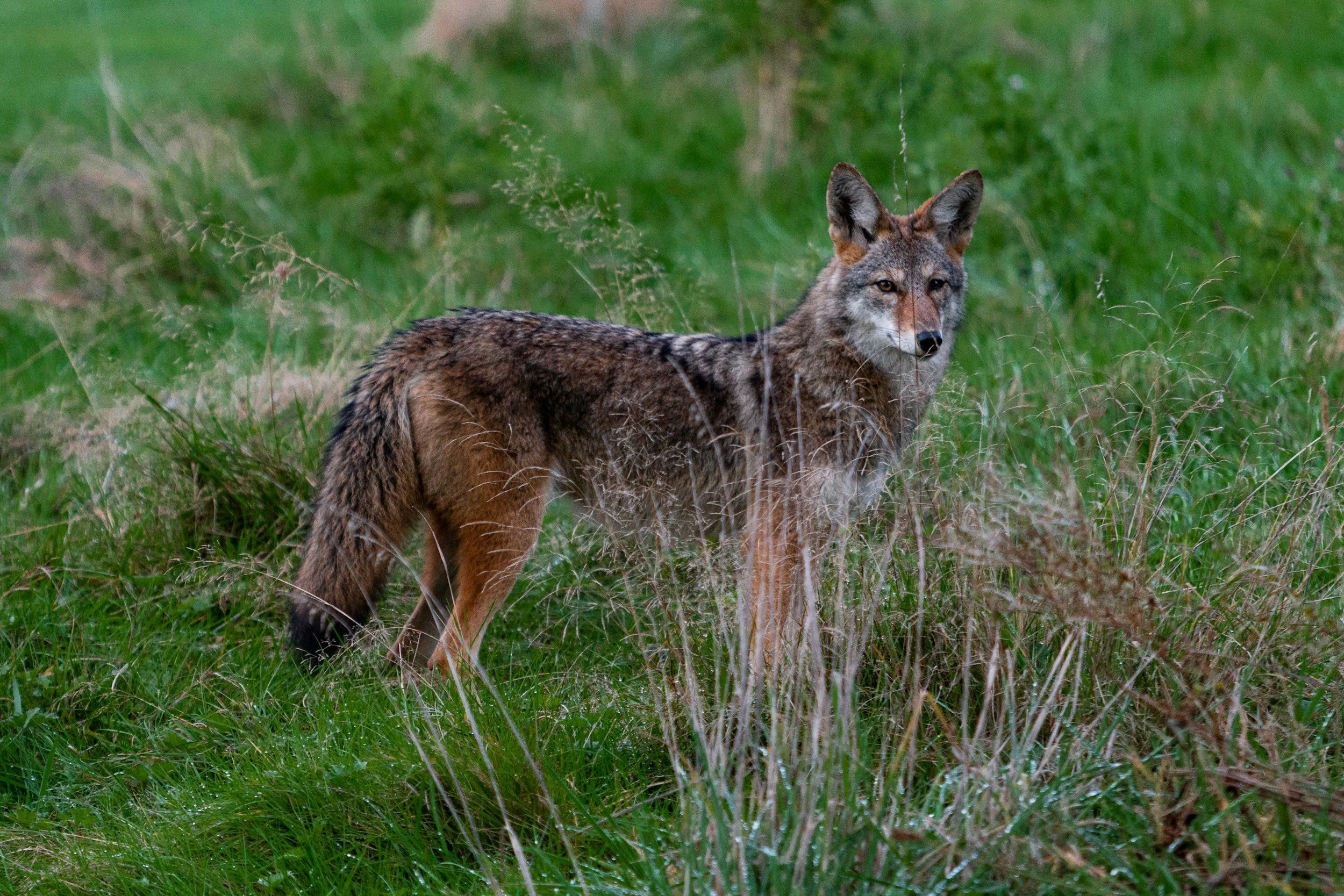
Coyotes are increasingly common throughout Virginia, especially in suburban and rural areas. Coyotes are mostly nocturnal and crepuscular, so activity is often noticed at dawn or dusk, accompanied by howls or yips. They can carry diseases such as rabies and canine distemper, posing potential risks to pets and humans. They may prey on small animals, chickens, and unattended pets, causing stress and property loss for homeowners. Managing coyotes safely requires professional guidance, including hazing, exclusion, and habitat modification. Preventing future encounters involves securing livestock, removing food attractants, and reinforcing fences to keep coyotes away from homes.
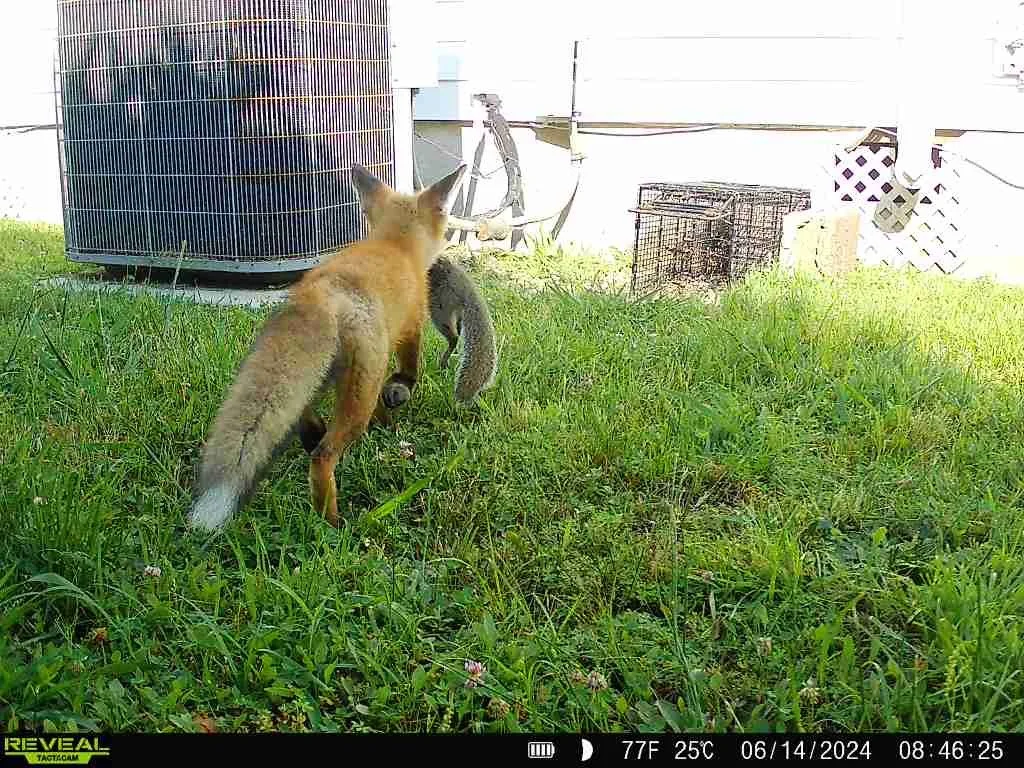
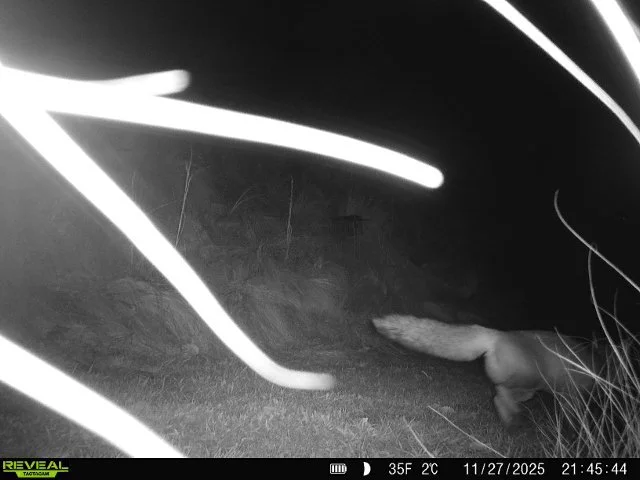
Why It Matters
danger to small animals
raiding trash and compost bins
digging up lawns and gardens
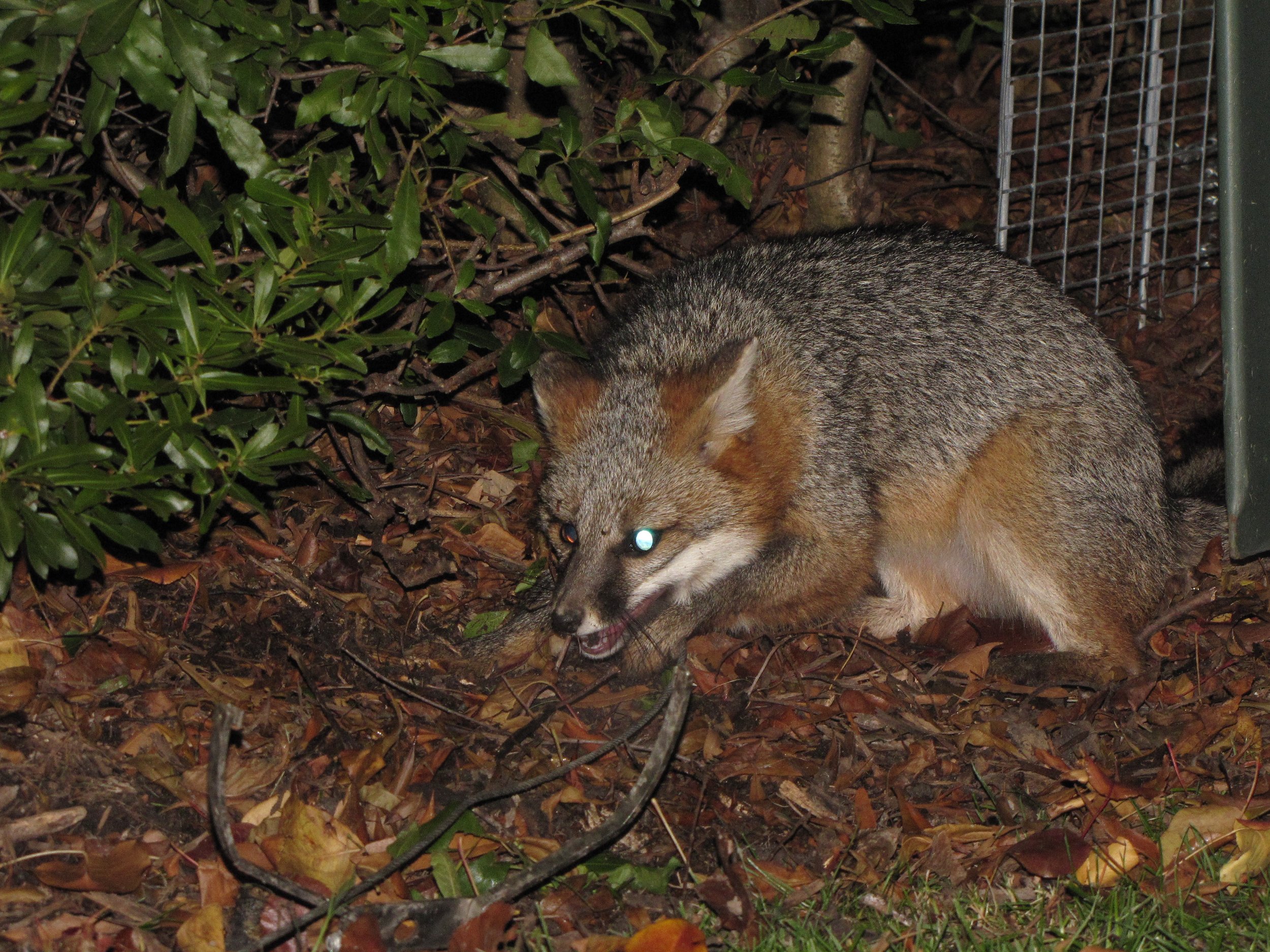
canines also carry rabies, as well as ectoparasites such as fleas and mange, which can transfer to your home and pets
What You Should Do Now
Inspection
Experienced professional wildlife operators will be able to inspect the property for travel paths, den sites, and other signs of canine activity.
Call us! Do not attempt to handle wild animals. Keep pets and children away from animals and entry points. Secure trash and food sources.
Removal
Oftentimes canines can be deterred with repellant and/or exclusion. Trapping and removal can be accomplished if necessary.
Remember to hire a professional who is proficient and aware of safe handling practices.
Prevention
Permanently seal any known or possible den locations and points of access, along with long-term exclusion techniques.
Clean and deodorize affected areas in order to eliminate animal pheromones, therefore removing the attractant for other animals to reinhabit your structure.