
Reptile Removal in Virginia
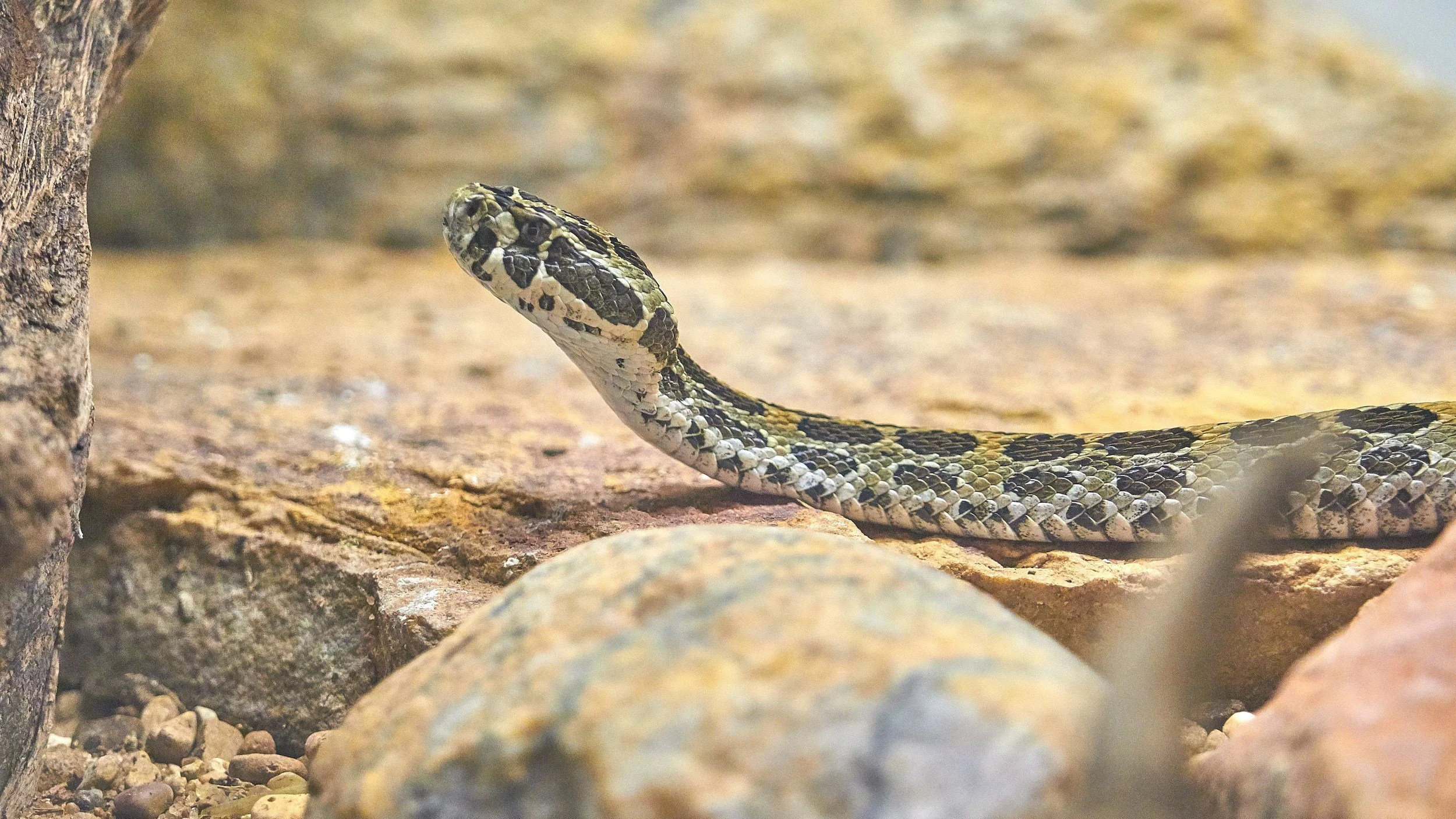
Snakes are a frequent nuisance in Virginia, especially during the warmer months when they enter yards, garages, and basements in search of food and shelter. While most snakes in Virginia are non-venomous, their presence can be alarming, especially for families with children or pets. Venomous species such as copperheads and rattlesnakes pose a direct safety risk if they take up residence near homes. Snakes often follow rodents, meaning an infestation may signal another pest problem on your property. They can become trapped in crawl spaces, HVAC systems, or walls, leading to unpleasant encounters. Their shed skins and droppings also cause concern for homeowners. Because snakes can slip through very small openings, they are difficult to keep out without expert help. Humane removal and habitat modification are the safest solutions to keep snakes away from your property.
Turtles may not seem like typical nuisance animals, but in Virginia they can cause problems in ponds, yards, and gardens. Snapping turtles, in particular, can be aggressive and dangerous to pets or people who get too close. They often dig into banks of ponds, causing erosion and damage to landscaping. Turtles may eat fish, amphibians, and plants, disrupting the balance of backyard ponds or water features. In agricultural settings, turtles may dig or feed on crops. While slow-moving, they are persistent in returning to favored areas. Professional relocation helps protect both the turtles and the property they disrupt.

Why It Matters
holes in yard
exposure to bacteria
could suggest rodent infestation
What You Should Do Now
Inspection
Examine around structures and in yard to look for signs of burrowing. Check crawlspaces and other outdoor spaces for evidence of activity or habitation. Offer habitat modification recommendations
Removal
Determine points of entry and set traps to capture the animal.
Remember to hire a professional who is aware of humane and safe handling practices.
Prevention
Permanently seal any known or possible entry points, along with long-term exclusion techniques.